On this page
The short version
- Most risks of hosting are manageable: scams, what gets stored, access and payment. Each has a simple fix.
- Keep messages and payments in one place, and never refund an overpayment.
- A written agreement, a list of items you won't allow and clear access times prevent most problems.
Handing a key to someone you met online can feel like a big step, even if it's only for a garage full of boxes. It's normal to wonder who they are, what they'll store, and what happens if something goes wrong.
The good news is that the risks of hosting storage are predictable, and most come down to a few habits. This guide covers the real risks, the scams to watch for and what to do before, during and after a rental.
Is it safe to rent out your space?
For most hosts, yes, as long as you set things up carefully. Storage hosting doesn't involve anyone living in your home, so the main risks are narrower: scams, what gets stored, access to your property and payment.
Safe hosting, in this guide, means renting your space in a way that protects your home, your money and your peace of mind, while giving your renter a fair, clear arrangement. That starts with knowing what can actually go wrong.
Scams
Fake payments, overpayments and requests to move off the platform are the most common traps.
What gets stored
Fuel, chemicals or illegal items can create safety and insurance problems on your property.
Access to your home
Unclear access times can mean unexpected visits or a renter wandering past the space you agreed on.
Payment and endings
Missed payments or belongings left behind are rare but stressful without a clear plan.
Scams to watch for, and how to avoid them
The most common scams target your payment, not your property. If someone overpays, pushes to pay outside the app or won't answer simple questions, slow down.
Fraud is a real problem in Canada. The Canadian Anti-Fraud Centre reports that Canadians lost more than $704 million to fraud in 2025, and estimates only 5 to 10 percent of frauds are reported.

Watch for these warning signs:
- Overpayment. A renter sends more than the agreed price and asks you to send back the difference. Lethbridge Police put it simply: "Never send money back for an overpayment." The original payment often turns out to be fake.
- Pressure to move off the platform. Someone asks to text, email or pay by e-transfer instead. Keeping messages and payments in one place gives you a record if anything goes wrong.
- Urgency and excuses. The renter is "out of the country," can't meet or view the space, or needs you to act right away.
- Vague answers. They won't say what they're storing or how often they'll visit.
If something feels off, you can decline. You don't owe anyone a booking. If you've been targeted, you can report it to the Canadian Anti-Fraud Centre, and contact your bank and local police if you've lost money.
How to vet a renter before you say yes
Get to know your renter before you accept: read their profile, ask a few questions in writing and, if you like, meet them when they first see the space.
Good questions to ask:
- What are you storing, and roughly how much?
- How long do you need the space?
- How often will you need access, and at what times?
- Will anyone else be coming with you?
Clear, specific answers are a good sign. Changing stories or reluctance to answer are a reason to pause.
On OurSpace, every host and renter verifies their identity with a government-issued photo ID and a matching selfie before a booking can be confirmed. You can also message in the app before you agree to anything, so your whole conversation is in one place. Verification confirms who someone is, not how they'll behave, so your questions still matter. Our safety and trust guide explains how these tools work for hosts and renters.
You don't owe anyone a booking. A few honest questions up front prevent most problems later.
Set clear rules for your space
Put your rules in writing before the first drop-off: what can be stored, when the renter can visit and how the rental ends. A clear agreement protects both of you.
OurSpace's Prohibited Items Policy already rules out a lot for you, on every booking:
- Illegal or stolen property
- Explosives, fuels, and flammable or hazardous materials
- Unlawful weapons and controlled substances
- Food and other perishables
- Live animals
- Items that need conditions your space doesn't provide, like heat or climate control
You can add your own rules on top, like no tires or nothing over a certain size, but you can't allow anything the policy prohibits.
Check in with your insurer, too. Before you list, let them know you're hosting and ask whether you need any extra coverage. Most home policies are written for personal use, and the Financial Consumer Agency of Canada notes that using your home in ways your insurer doesn't know about can affect your coverage.
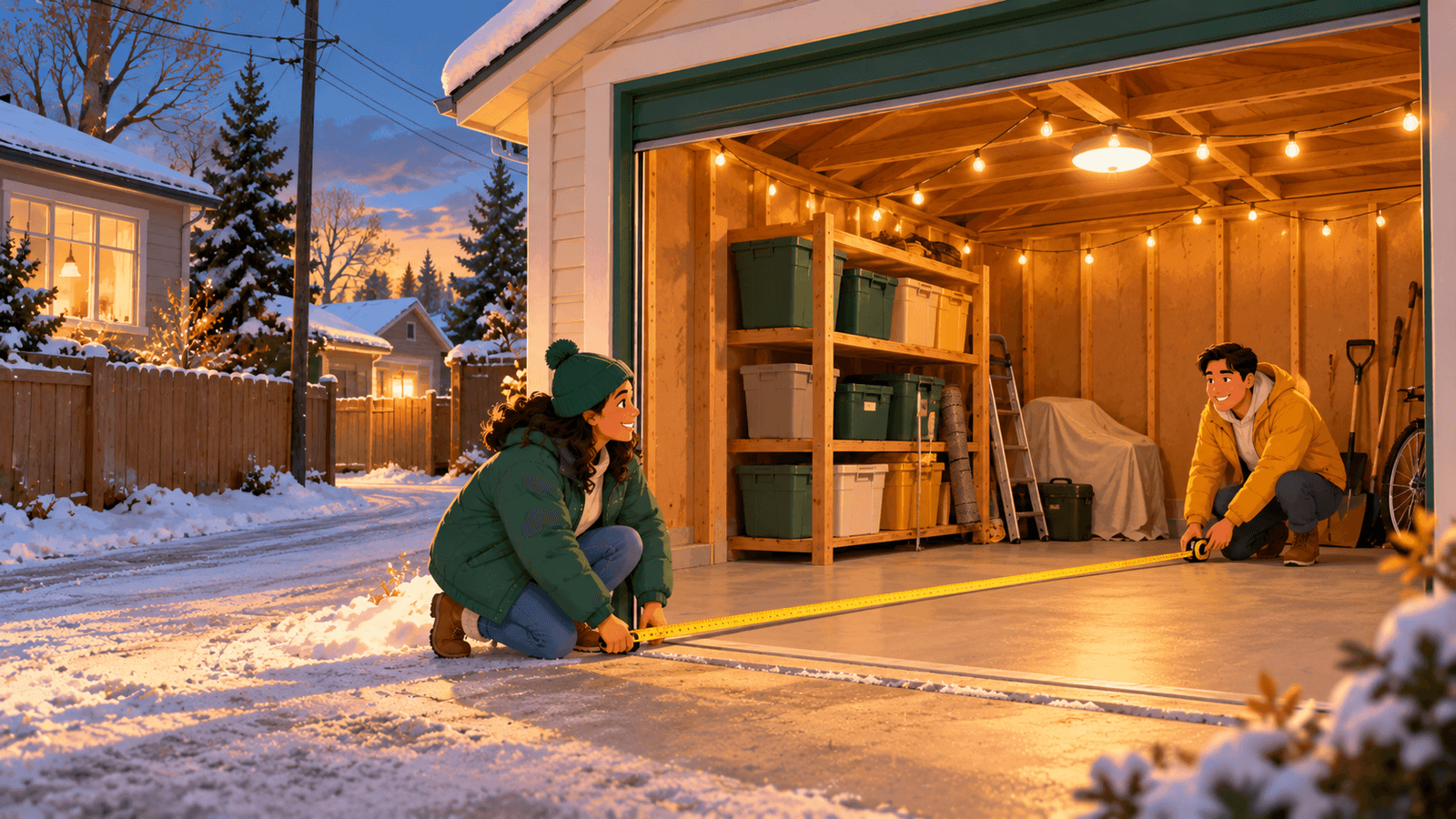
Agree on access as well: which days and hours work, how much notice the renter gives, and whether you need to be home. If your garage is attached to your house, lock the interior door. Rent only the space you've agreed on, and keep the rest of the garage clear or locked off.
Every OurSpace booking comes with a written agreement between you and your renter. It sets out the space, the price, access rules and times, what can't be stored, the billing cycle and how the booking ends. If you need to end an active booking, you give at least 30 days' notice through the app, except in an emergency. A booking is a storage arrangement, not a tenancy or lease.
Payments are handled in the app through Stripe, so you don't have to chase e-transfers. Renters are charged at the start of each billing cycle, and payouts usually reach your bank account in about 7 days.
Simple habits that keep hosting safe
A few routine habits make hosting feel calm and keep a clear record if you ever need one.
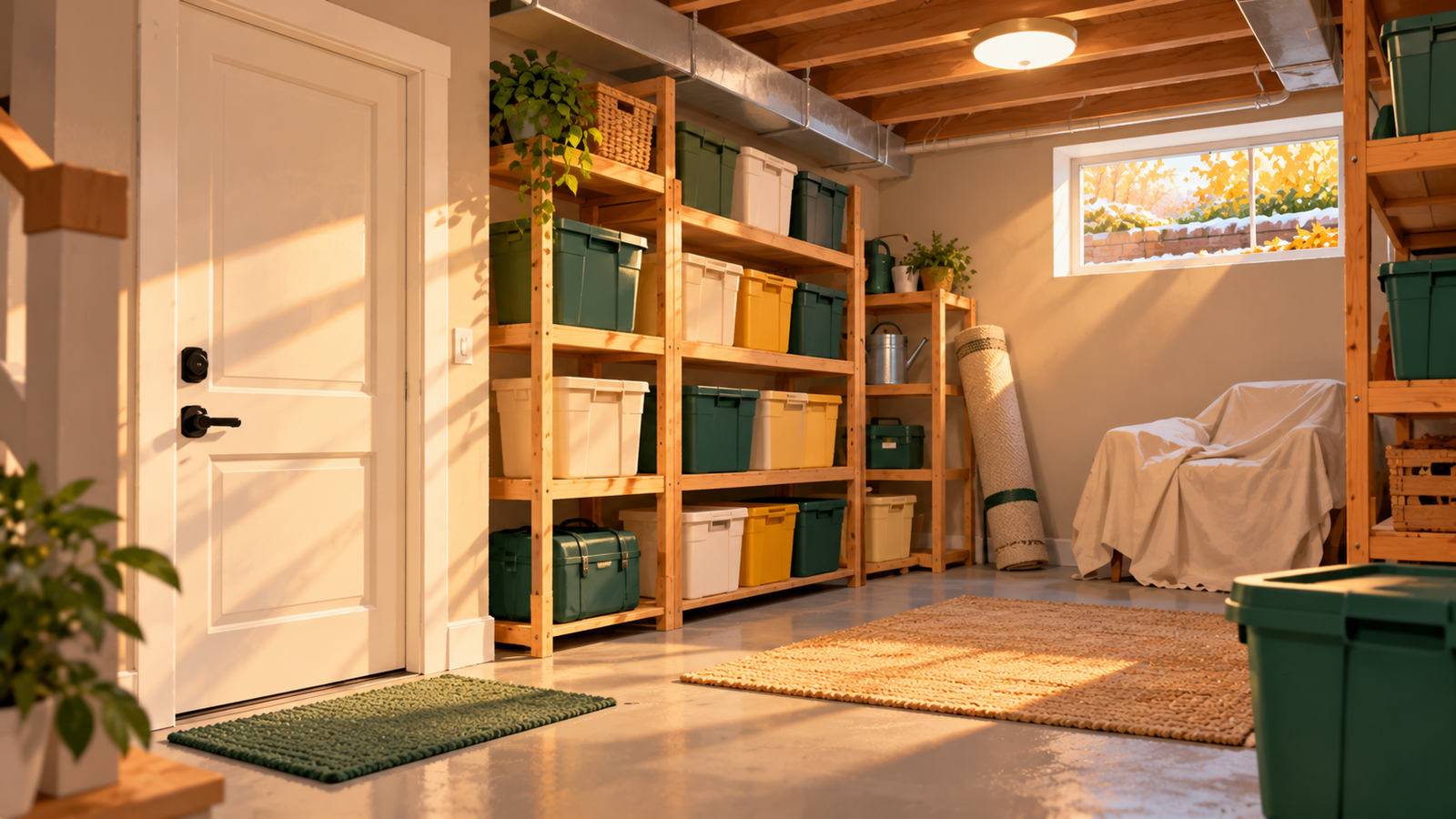
- I take dated photos of the space before the renter moves in.
- I keep all messages and payments in the app.
- I lock any door between the garage and my home.
- I've agreed on access times and notice in writing.
- I've told my insurer I'm renting out the space.
- I know who to contact if something goes wrong.
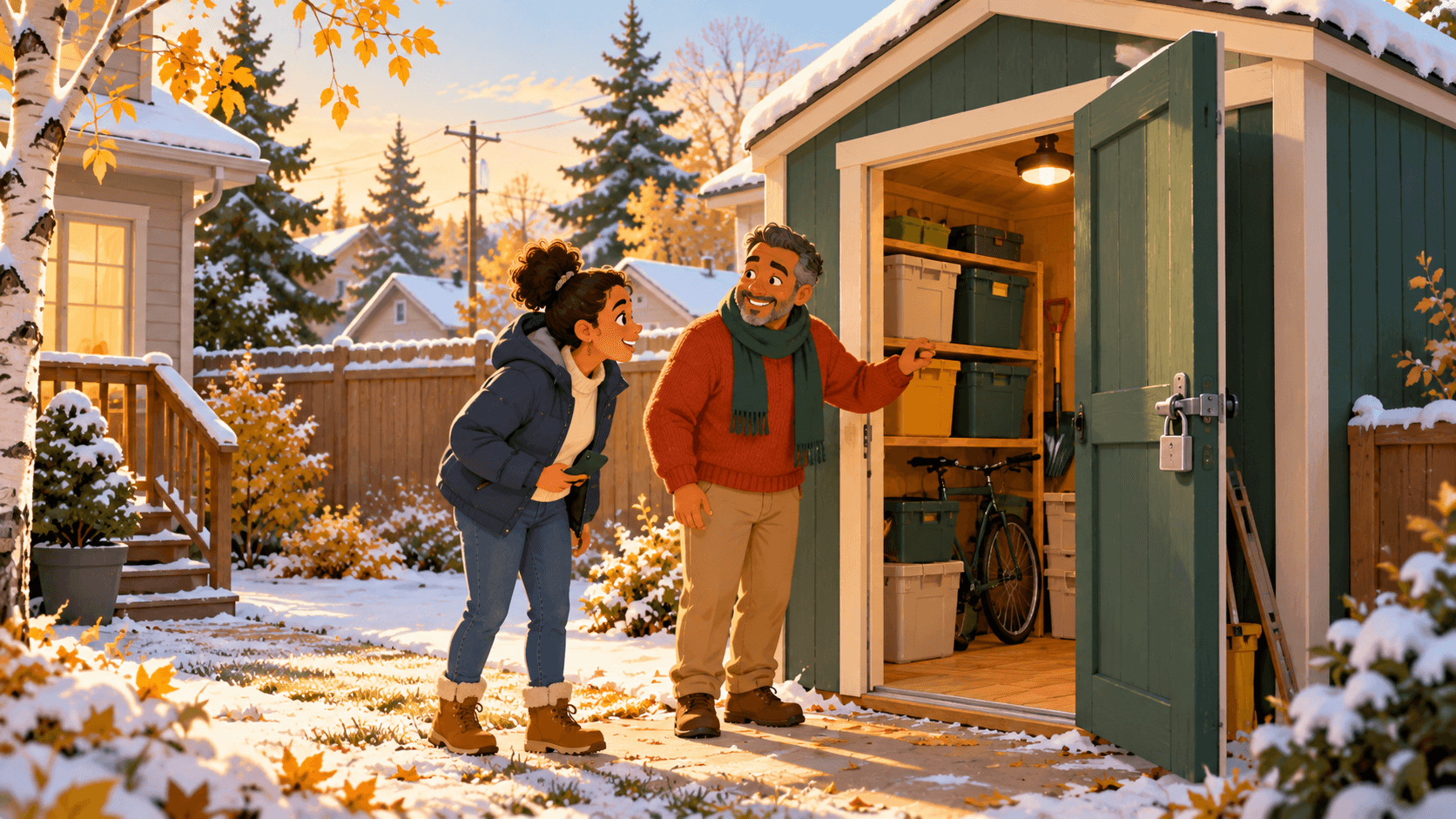
Good lighting and a solid lock help everyone. Your renter will feel better about leaving their things with you, and you'll feel better about who comes and goes.
What to do if something goes wrong
Stay calm, keep it in writing and don't take matters into your own hands. Most issues can be solved with a clear message, and the rest need the right help.
- A missed payment. You and your renter both get a notice, and the payment is retried automatically. There's a three-day grace period to sort it out. If it's still unpaid after seven days, the booking stops renewing and the renter needs to pay or arrange to pick up their things. You won't be paid for an unpaid cycle, but you can't keep, sell or throw out their belongings over it, and pickup stays open.
- A disagreement. Start with a message in the app. If that doesn't settle it, open a request in the Resolution Centre with photos, messages, security codes and receipts. Our team reviews it, can pause billing or payouts while we look into it, and works with both of you toward a fair outcome.
- Belongings left behind. Report it through the Resolution Centre and leave the items where they are. Our team will contact the renter and work with both of you to get the items collected and reach a fair result, including any amount you're owed. If that doesn't settle it, we'll guide you through the lawful next steps to get your space back. We can't promise a particular outcome, and belongings can only be sold or disposed of through a legal process such as a court order, so never keep, sell or throw anything away yourself.
- Damage or a safety concern. Take photos, report it in the Resolution Centre and call your insurer. If you suspect something illegal is being stored, call the police. In an emergency, call 911.
- A scam attempt. Stop replying, don't send money and report it to the Canadian Anti-Fraud Centre.
- Anything else. Email support@ourspacetech.com or use the live chat on our website. We reply within 1 to 2 business days, Monday to Friday.
Frequently asked questions
Is it safe to rent out my garage to a stranger?
For most hosts, yes, with a few safeguards. Read the renter's profile, ask what they're storing, put your rules and access times in writing, and keep messages and payments in one place.
What shouldn't I let someone store in my garage?
OurSpace's Prohibited Items Policy already rules out fuel, hazardous materials, perishables, live animals, unlawful weapons and anything illegal. You can add your own rules on top. Check your insurance policy too, since it may have its own restrictions.
What is an overpayment scam?
It's when someone pays more than the agreed price and asks you to send back the difference. The original payment is often fake. Police advise never refunding an overpayment.
Do I have to be home when my renter visits?
That's up to you. Agree on access days, times and notice before the rental starts, and lock any door between your garage and your home.
What happens if my renter stops paying or leaves things behind?
You and your renter are both notified, and the payment is retried during a three-day grace period. If it's still unpaid after seven days, the booking stops renewing and the renter needs to pay or pick up their things. Never sell or dispose of anything on your own. Report it in the Resolution Centre, and our team will work with you and the renter to get the items collected and reach a fair result.
Host with confidence
Renting your space to someone new doesn't have to feel risky. Know the common scams, ask good questions, set clear rules and keep everything in writing. Those habits cover most of what can go wrong, and they make hosting easy for you and your renter.
Before you list, read Is it legal to rent out your garage in Calgary? for the City, condo and insurance checks. Then see how much your garage could earn.
Host on your terms
Meet verified renters, keep every message and payment in one place, and set your price with our built-in calculator.
Hosting in Alberta? New hosts can enter the First 100 Alberta Hosts contest for a chance to win up to $300 cash. The contest closes February 28, 2027, or sooner once 100 hosts are verified. See the contest rules.